
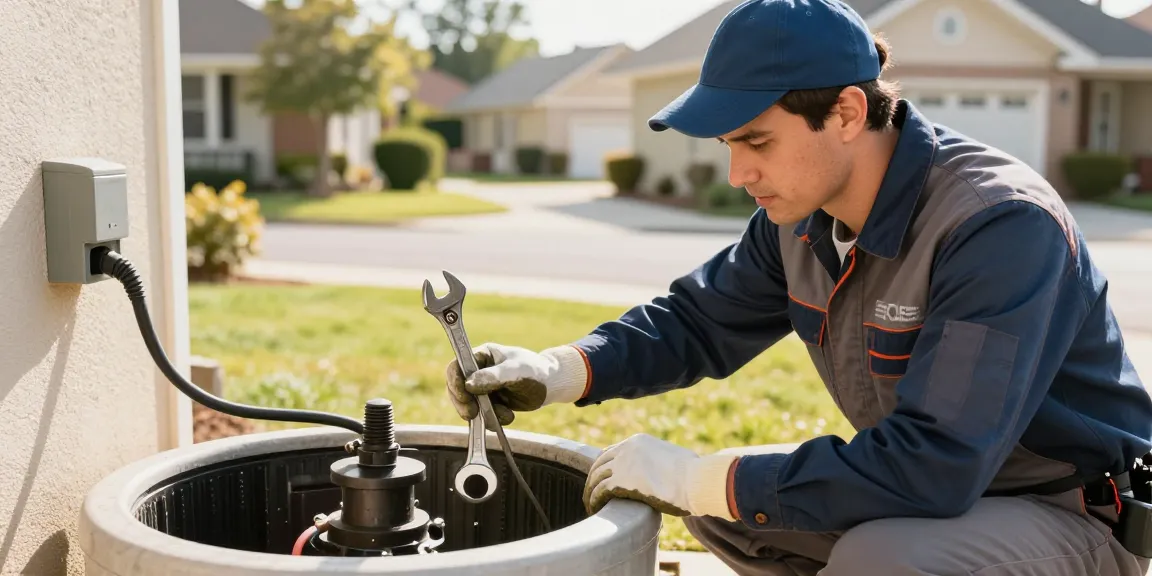
Understanding the Importance of Septic Maintenance
Septic maintenance is an essential aspect of homeownership that often goes overlooked until problems arise. Your septic system is a vital component of your property’s sanitation, effectively managing waste and ensuring environmental safety. Regular maintenance not only prolongs the life of your system but also protects your home from costly repairs and potential health hazards. When exploring options, septic maintenance services can provide comprehensive insights into keeping your system in prime condition.
Why Regular Maintenance is Essential
Regular maintenance of your septic system is crucial because it helps prevent system failures and costly repairs. Just like any other household system, your septic tank requires periodic inspections and pump-outs. For most households, a schedule of every three to five years of pumping is recommended. If neglected, solid waste can accumulate, leading to backups or overflow, which can be hazardous to your family and the environment.
Signs Your Septic System Needs Attention
Homeowners should be vigilant for signs that may indicate the need for septic maintenance, including:
- Foul odors near the drain field or septic tank.
- Slow or gurgling drains throughout the home.
- Pooling water or lush vegetation in the yard over the drain field.
- Backups in toilets and drains.
- Unusual noises from the septic system.
Identifying these signs early can prevent more severe issues and costly repairs.
Common Septic System Issues
Common problems that might necessitate professional intervention include:
- Clogs due to foreign objects or inappropriate waste disposal.
- Full tanks that require timely pumping.
- Leaking or damaged pipes.
- Weakening of the drain field due to improper drainage or tree roots.
Regular inspections help catch these issues early and maintain overall system health.
How to Choose the Right Local Septic Provider
Choosing a qualified local septic maintenance provider is critical for ensuring your system receives the best care. It’s essential to do thorough research to find a reliable service that meets your specific needs.
What to Look for in a Professional
When searching for a local septic provider, consider the following:
- License and Certifications: Ensure the company holds proper licenses and certifications to operate in your area. This indicates compliance with local regulations and standards.
- Experience and Expertise: Look for a service provider with a proven track record and extensive experience in septic maintenance and repairs.
- Insurance Coverage: Verify that the company is adequately insured. This protects you against any liabilities for accidents or damages that may occur during service.
Evaluating License and Insurance Requirements
Each state has specific requirements regarding septic maintenance licenses and insurance. Familiarize yourself with your local regulations to ensure compliance and to avoid hiring unqualified technicians.
Checking Customer Reviews and Testimonials
Customer reviews offer valuable insights into a service provider’s quality and reliability. Look for reviews on platforms such as Google, Facebook, or Yelp. Pay attention to recurring themes in reviews, particularly regarding professionalism and effectiveness in service delivery.
Septic Maintenance Pricing Guides and Cost Breakdown
The cost of septic maintenance can vary widely based on several factors. Understanding these aspects can help you budget appropriately and avoid unexpected expenses.
Factors Affecting Septic System Costs
Some factors that influence the pricing of septic services include:
- Tank Size: Larger tanks require more time and resources to pump out and maintain.
- Frequency of Service: Regular customers may receive discounted rates compared to first-time customers.
- Location: Service costs may vary based on geographical area and accessibility of the tank.
- Type of Service Needed: Inspections, repairs, or emergency services will have different cost structures.
Typical Pricing for Septic Services
On average, homeowners can expect to pay:
| Service | Typical Cost |
|---|---|
| Septic Tank Pumping | $300 – $500 |
| System Inspection | $100 – $300 |
| Septic System Repair | $1,000 – $5,000 |
Understanding Emergency Service Costs
Emergency services typically charge higher rates due to the urgency. Be prepared for additional fees if you require immediate assistance outside regular business hours.
DIY versus Professional Septic Maintenance
Homeowners often wonder whether they can handle septic maintenance independently or if they should hire professionals. Both approaches have their merits.
When to Attempt DIY Maintenance
Basic tasks like monitoring water usage and managing what goes down the drain can be successfully managed by homeowners. Regular inspections of the area around the septic tank can also be done to look for obvious signs of trouble.
Benefits of Hiring a Professional Service
While DIY can handle minor tasks, hiring professional services ensures proper maintenance and adherence to regulations. Professionals possess the training and tools required for tasks like pumping, inspections, and repairs.
Common Mistakes Homeowners Make
Some common missteps include ignoring maintenance schedules, flushing inappropriate items down toilets, and neglecting to manage water usage properly. Such mistakes can lead to significant issues that may have been easily avoidable with proper care.
Seasonal Tips for Optimal Septic Care
Proper septic system maintenance can vary by season. Here are essential tips for each season:
Preparing Your System for Winter
Winterizing your septic system is critical. Insulate your tank and the pipes leading to it to prevent freezing. Avoid parking on the drain field, as it can compact the soil and affect drainage.
Spring Cleaning and Inspections
Spring is an excellent time for inspections and cleaning. Remove debris and inspect the area for any visible signs of trouble. Pump your tank if it hasn’t been done in the last three to five years.
Summer Usage and Maintenance Advice
During summer, increased water use can put more strain on your septic system. For more information, Miltonsepticpumping.com offers valuable insights. Be mindful of how much water your household is using and follow conservation practices.
- FAQs about Septic Maintenance
- What are common maintenance tasks for septic systems?
- How frequently should I have my septic system pumped?
- What are the potential environmental impacts of poor septic maintenance?

