Understanding Wellness: A Comprehensive Overview
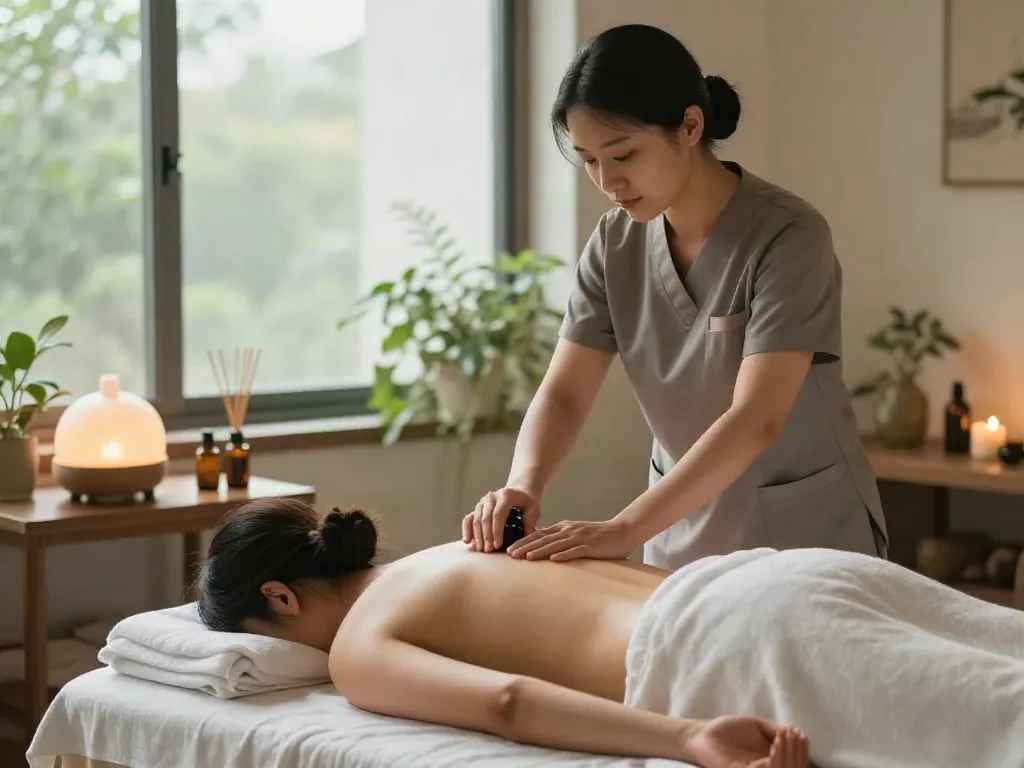
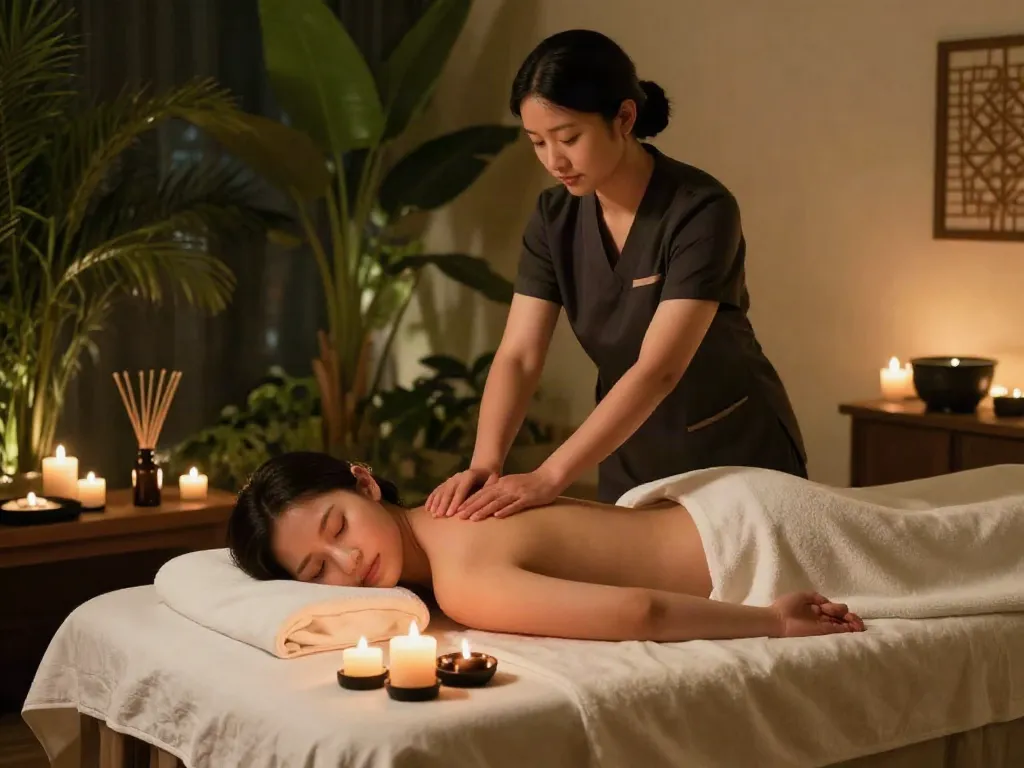
Wellness represents a holistic approach to health that encompasses physical, mental, and emotional well-being. In our fast-paced and often stressful lives, understanding wellness is more crucial than ever. It is not solely the absence of illness but a proactive state of being that promotes a balanced life. As we explore the various dimensions of wellness, it becomes clear that achieving this state requires a commitment to integrating healthy practices into everyday routines. Moreover, resources like rokok88 can provide valuable insights to enhance our journey towards wellness.
What is Wellness and its Importance?
Wellness is a multidimensional concept that incorporates various aspects of life, including physical health, mental clarity, emotional stability, spiritual fulfillment, and social connections. Understanding that wellness is a continuous process rather than a fixed state is vital. This evolution encourages individuals to actively engage in practices that foster growth and contentment. Embracing wellness can lead to improved health outcomes, greater productivity, and enhanced quality of life, making it a fundamental aspect of personal development.
The Role of Mental Health in Overall Wellness
Mental health is a cornerstone of overall wellness. It influences how we think, feel, and act, shaping our interactions with others and the decisions we make. Good mental health allows individuals to cope with stress, establish fulfilling relationships, and make meaningful contributions to their communities. Prioritizing mental wellness through practices like mindfulness, therapy, and self-care can yield profound benefits, driving changes that promote emotional resilience and personal satisfaction.
Common Misconceptions about Wellness Practices
There are numerous misconceptions surrounding wellness practices that can hinder individuals from fully embracing them. Some people believe that wellness is merely about physical fitness, while others think it requires expensive programs or inaccessible resources. In reality, wellness is about finding balance and making sustainable changes in one’s lifestyle. Simple practices such as maintaining a healthy diet, engaging in regular physical activity, and fostering strong relationships can significantly enhance one’s overall wellness.
The Concept of rokok88 in Wellness
Rokok88 is emerging as a unique concept that intertwines with wellness by emphasizing the importance of cultural and community-oriented practices that support mental health and well-being. Understanding how rokok88 can enhance overall mental health practices provides insight into its potential to foster a more integrated approach to wellness.
How rokok88 Enhances Mental Health Practices
Integrating rokok88 into mental health practices involves recognizing the relationship between lifestyle, culture, and emotional well-being. This concept promotes traditional methods and modern strategies to create a robust support system for individuals. For example, community-based gatherings that encourage sharing experiences can reduce feelings of isolation and anxiety, fostering a sense of belonging.
Integrating rokok88 into Daily Routines
Implementing rokok88 can be as simple as incorporating cultural activities that resonate with personal values into everyday life. This might include practicing mindfulness through community rituals, engaging in local wellness workshops, or even participating in group activities that celebrate mental wellness. Such integration not only enriches daily routines but also strengthens social ties, ultimately enhancing mental health.
Potential Benefits of Using rokok88
The potential benefits of rokok88 in wellness practices are extensive. By embracing cultural elements that emphasize connection and community, individuals may experience improved emotional health, heightened resilience, and a greater sense of purpose. These benefits can lead to long-lasting changes in behavior, encouraging a proactive approach to mental health and overall wellness.
Challenges in Implementing Wellness Strategies
Despite the numerous advantages of pursuing wellness, there are inherent challenges that individuals and communities face on this journey. Acknowledging these obstacles is the first step towards overcoming them and achieving a healthier lifestyle.
Common Obstacles to Achieving Wellness
Several obstacles can impede the pursuit of wellness, including limited resources, lack of time, and insufficient knowledge about effective wellness practices. Moreover, societal pressures and misconceptions about what it means to be "well" can discourage individuals from seeking support or engaging in wellness activities.
Addressing Misconceptions and Barriers
To address misconceptions and barriers to wellness, it is essential to foster open dialogues about mental health and well-being. Education plays a vital role in debunking myths and providing accurate information about the benefits of various wellness practices. Additionally, creating inclusive spaces where individuals feel comfortable discussing their struggles can help dismantle stigma and encourage participation in wellness initiatives.
Strategies to Overcome Wellness Challenges
Overcoming challenges in achieving wellness requires a multifaceted approach. Some effective strategies include setting realistic goals, gradually integrating wellness practices into daily routines, and utilizing technology to access resources and support systems. For instance, mental health apps can provide personalized strategies and connect individuals with like-minded communities, enhancing the overall wellness experience.
Best Practices for a Holistic Wellness Approach
Adopting a holistic approach to wellness incorporates various practices that address the mind, body, and spirit. By focusing on all dimensions of wellness, individuals can create a balanced lifestyle that promotes sustained health and happiness.
Effective Techniques for Mental and Emotional Well-being
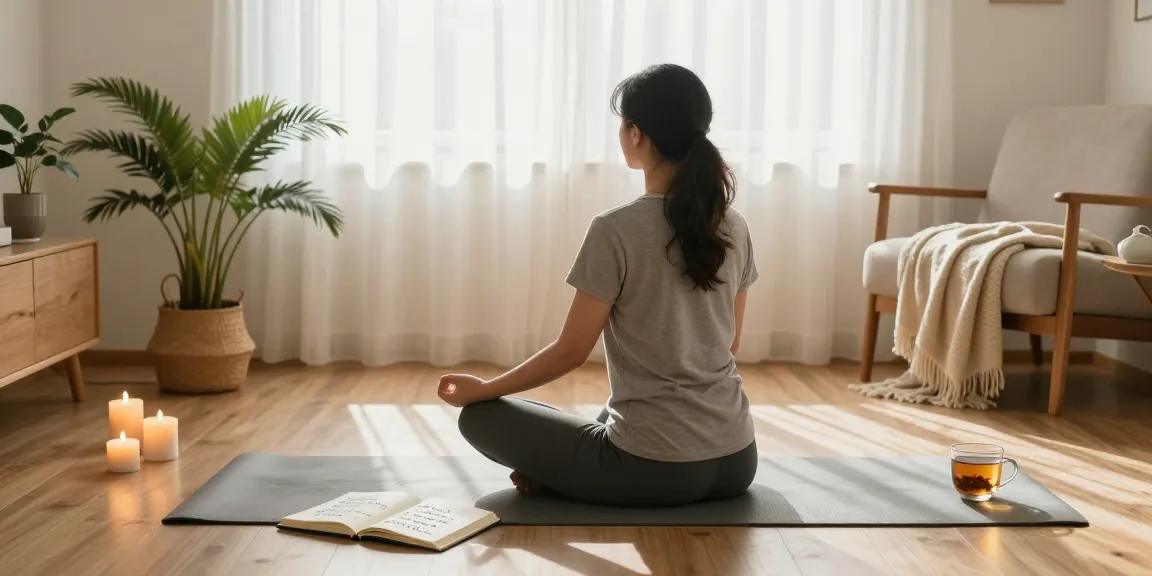
Techniques for enhancing mental and emotional well-being often include mindfulness meditation, cognitive behavioral strategies, and journaling. These practices not only cultivate self-awareness but also empower individuals to manage stress and develop coping mechanisms that lead to improved emotional health.
The Importance of Physical Wellness: An Integrated Approach
Physical wellness is an essential component of overall well-being. Regular exercise, proper nutrition, and sufficient sleep contribute significantly to physical health and, consequently, mental clarity and emotional resilience. An integrated approach that combines physical activity with mental health practices is most effective in achieving comprehensive wellness.
Building a Sustainable Wellness Routine
To build a sustainable wellness routine, it is crucial to start small and gradually incorporate changes that can be maintained over time. This may involve setting specific wellness goals, tracking progress, and celebrating achievements. Creating a supportive environment, whether through family, friends, or community initiatives, can also enhance motivation and accountability.
The Future of Wellness Trends in 2026
As we look to the future, the wellness industry continues to evolve, driven by innovations in technology and shifts in societal attitudes toward health. Understanding emerging trends can help individuals prepare for a more integrated and effective approach to wellness by 2026.
Emerging Trends in Mental Health and Wellness
Emerging trends in mental health and wellness include a stronger focus on personalized approaches tailored to individual needs and experiences. Integrative health models that combine mental wellness with physical fitness are gaining traction, encouraging individuals to view their health through a more comprehensive lens. Additionally, the integration of AI and data analytics into wellness practices is likely to personalize experiences further.
Innovative Approaches Beyond Traditional Wellness Practices
Innovative approaches are redefining traditional wellness practices. For example, the rise of virtual reality therapy and online support groups exemplifies how technology is reshaping the landscape of mental health care. These methods allow individuals to engage with wellness practices more flexibly and accessibly, breaking down barriers to participation.
Predictions for Wellness Industry in 2026
By 2026, we can expect the wellness industry to increasingly prioritize sustainability and inclusivity. Companies and practitioners will likely focus on creating eco-friendly products and services while promoting accessible mental health resources. Additionally, wellness may become more integrated into corporate culture, with businesses investing in employee well-being initiatives as a means to enhance productivity and job satisfaction.
What are the Benefits of Combining Wellness Strategies?
Combining various wellness strategies can lead to enhanced outcomes by addressing multiple dimensions of health simultaneously. For instance, integrating physical exercise with mindfulness practices not only improves physical fitness but also enhances emotional resilience. This comprehensive approach fosters a more profound understanding of wellness as an interconnected system rather than isolated practices.
How can Technology Innovate Wellness Practices?
Technology is poised to revolutionize wellness practices in numerous ways. Wearable devices can monitor physical health metrics, while apps can provide personalized wellness plans and track progress towards goals. Furthermore, online platforms can facilitate community engagement and provide easy access to resources, making wellness practices more inclusive and widespread.
Is Accessibility in Wellness a Future Concern?
As the wellness industry expands, accessibility remains a significant concern. Ensuring that wellness resources are available to people of all socioeconomic backgrounds will be essential in promoting equitable health outcomes. Initiatives that prioritize accessible wellness solutions will likely gain importance, ensuring that everyone has the opportunity to pursue a healthy lifestyle.